
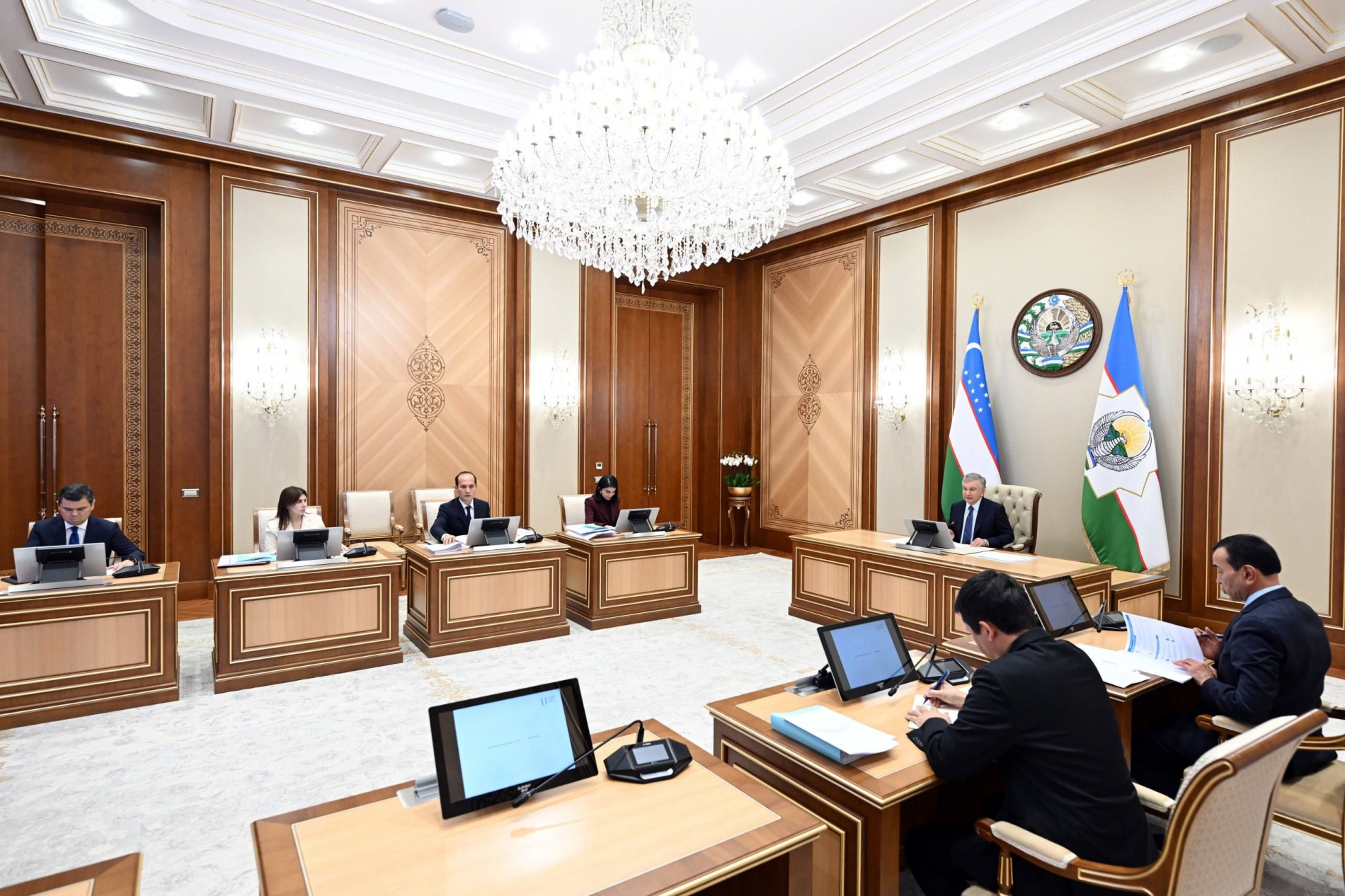
President Shavkat Mirziyoyev was briefed on the progress of ongoing work and new projects in the sphere of culture and tourism.
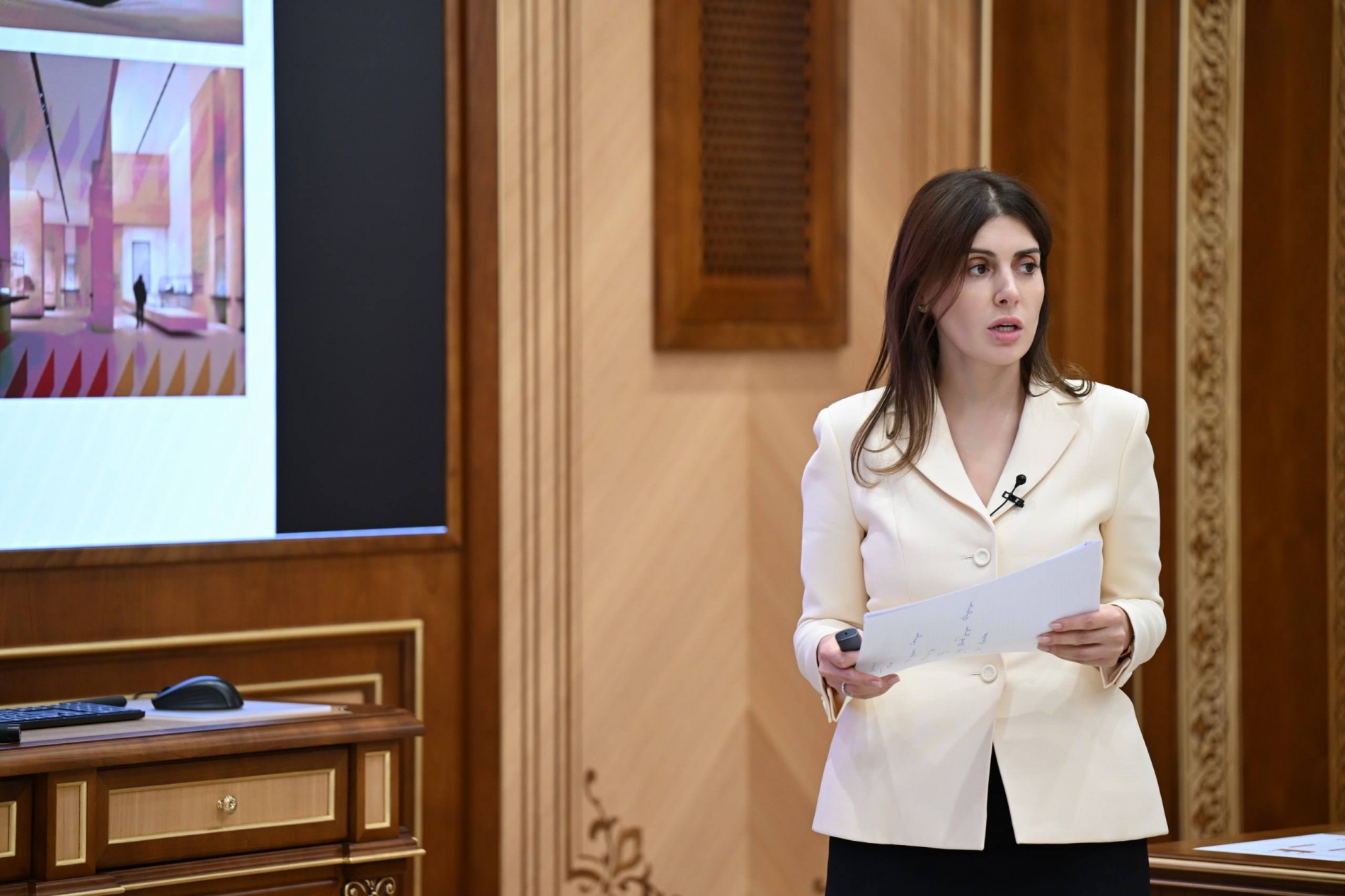
First and foremost, the project for the construction of a new Silk Road Museum in Samarkand, to be located on a 9-hectare site, was reviewed. According to the project, its exhibition will bring together more than 6,000 unique artifacts, including archaeological materials and works of fine and applied art. The museum is also planned to include spaces for permanent and temporary exhibitions, a 160-seat auditorium, a children’s academy, a conservation and research center, as well as large storage facilities
During the presentation, special attention was paid to expanding public engagement in cultural institutions and updating their content and operational formats in line with modern requirements.
In this regard, proposals were discussed for the phased transformation of 839 cultural centers across the country, including the modernization of their buildings, the involvement of the private sector, and measures to increase their appeal. Proposals were also considered for organizing the activities of these centers in new areas that meet contemporary demands. Overall, it is planned to allocate more than 1 trillion soums to the cultural sector by 2030.
The early identification of talented youth in the arts, their targeted training from the junior grades, and, where necessary, the creation of adequate living and creative conditions at their places of study were identified as important tasks.
Proposals to support the activities of the Andijan Youth Symphony Orchestra and the Tumor dance ensemble were approved.
The need to expand national content in the media space, as well as to systematically develop a database of national culture through the effective use of artificial intelligence, was emphasized.
Furthermore, it is planned to introduce a system of preferential lending to support the establishment of non-governmental cultural organizations, provide state support to non-governmental and studio theaters, and allocate grants for project implementation.
It was noted that since the beginning of the year, approximately 3 million tourists have visited the country, representing a 37 percent increase, while tourism service exports rose by 48 percent to reach $1.1 billion. Targets have been set to attract 20 million foreign tourists by 2030 and to serve 12 million tourists in 2026.
In this regard, the need to implement targeted programs to develop the tourism potential of each region, taking into account its specific features, was emphasized.
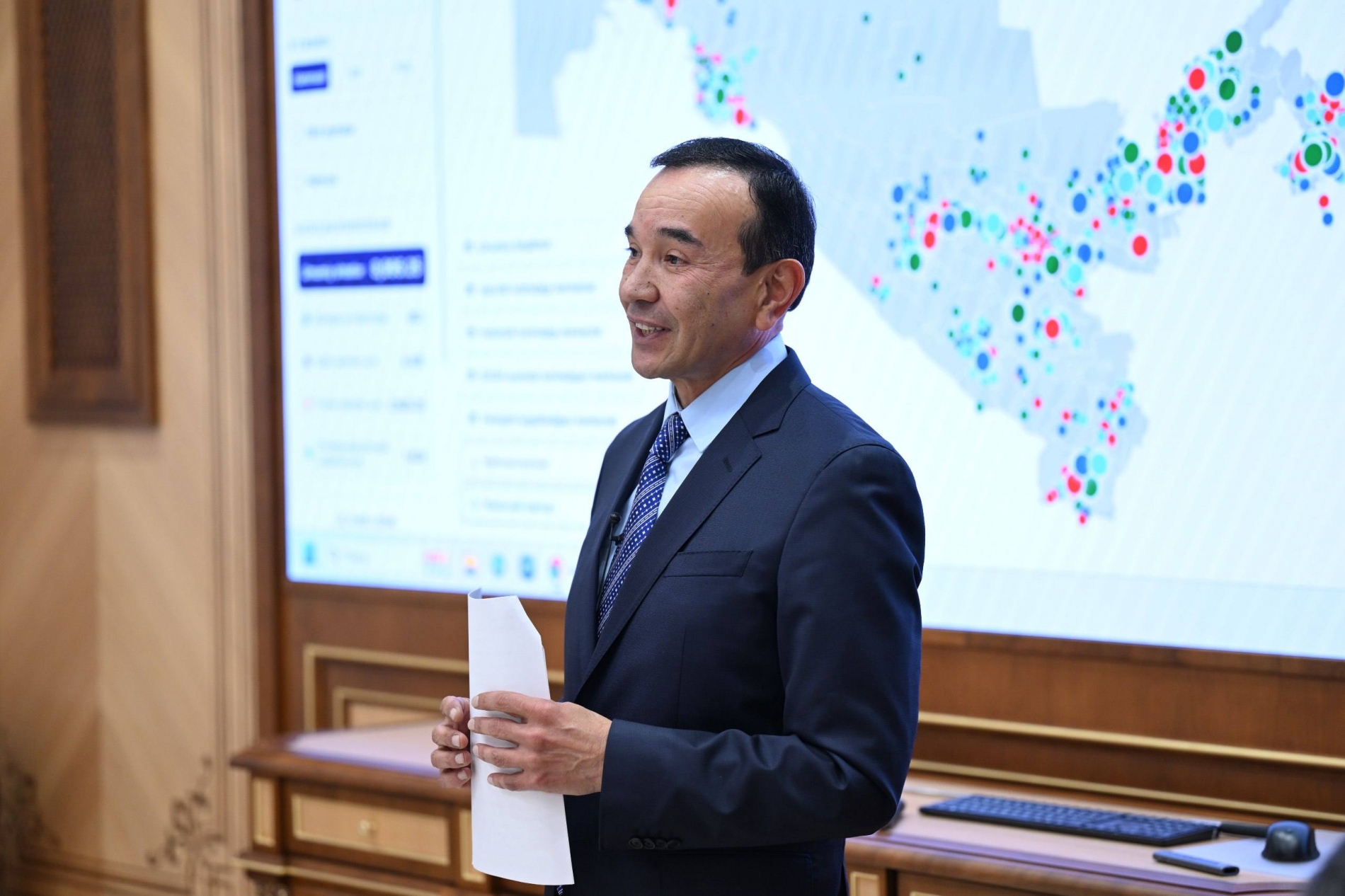
To this end, measures were considered to accelerate the development of tourism infrastructure in the regions and to organize the sector based on project management principles. In particular, in 2026–2027, it is planned to begin implementing 31 master plans, create more than 40,000 new jobs, increase the number of accommodation facilities to 8,250, and raise the total number of tourist villages and tourist mahallas to 84.
A number of mechanisms for creating new tourism products and supporting entrepreneurship are also envisioned.
In particular, it is planned to compensate up to 25 percent of promotional expenses aimed at attracting foreign tourists, not exceeding 500 million soums, in order to incentivize private entrepreneurs who organize regular cultural, entertainment, and theatrical programs for tourists. It is also planned to organize practical training courses in the service sector with the participation of both domestic and foreign specialists.
The presentation also reviewed new approaches to the broad promotion of the country’s tourism potential in international markets.
Following the discussion, responsible officials were given relevant instructions to ensure the thorough development of the reviewed projects and initiatives and their implementation based on clear calculations and plans.